Tarot Card Meanings
The tarot is a deck of seventy-eight cards, and each one is a small mirror. Twenty-two Major Arcana carry the large turns of a life; the four suits — Wands, Cups, Swords, and Pentacles — hold the everyday work of will, feeling, thought, and the material world. A card read upright speaks in its clearest voice; read reversed it turns inward, or asks you to notice where that same energy has stalled or gone quiet.
Below is the whole deck. Each card has its upright and reversed meaning, a word for love, money, and work, and answers to the three questions people actually arrive with: what the card looks like as a person, what it reads as feelings, and whether it comes down yes or no. Read the one you drew, or wander until a card catches you.
Major Arcana
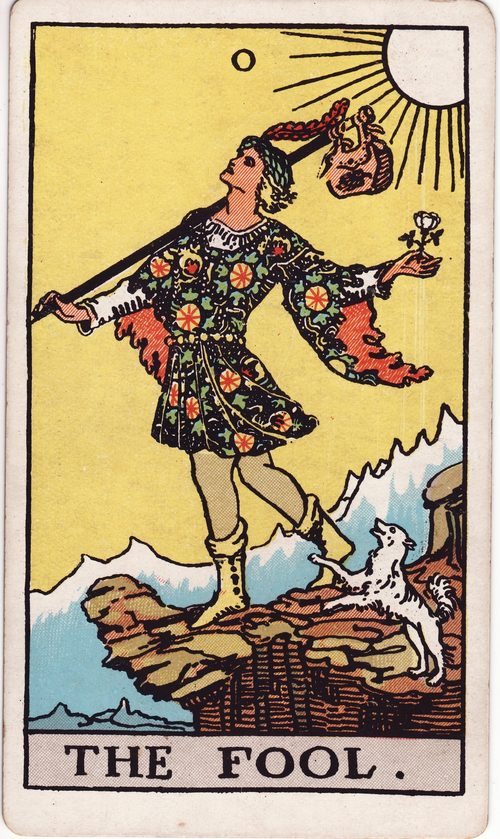
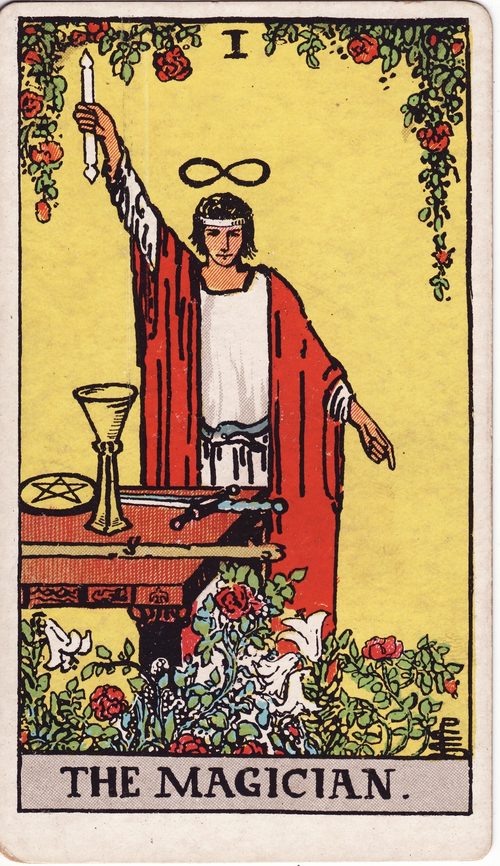
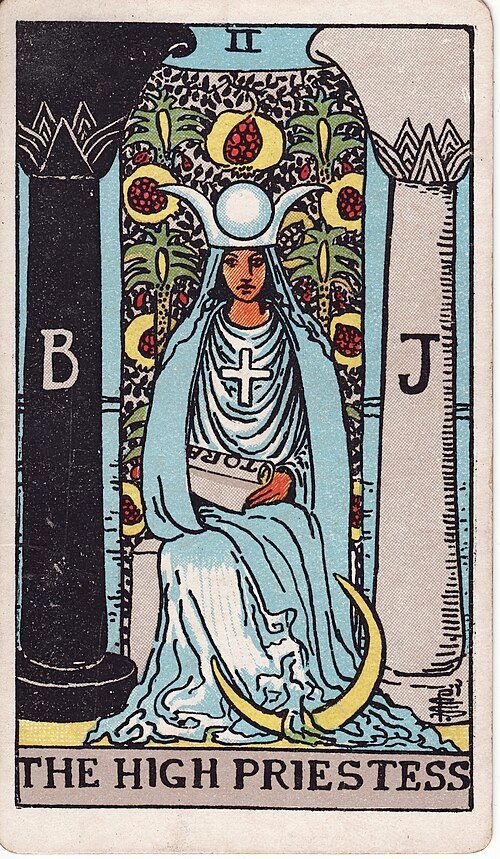
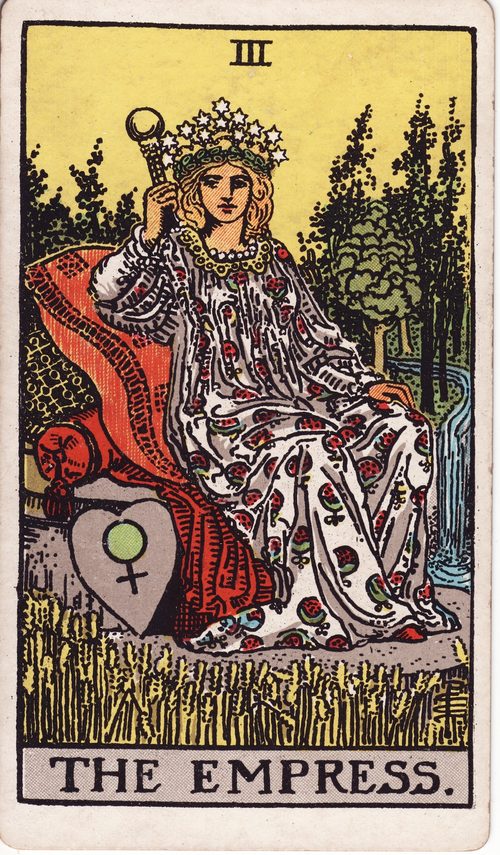
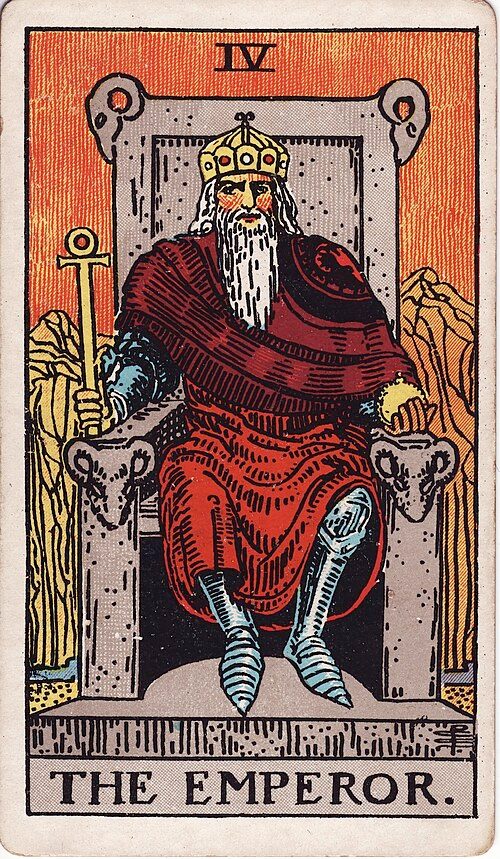
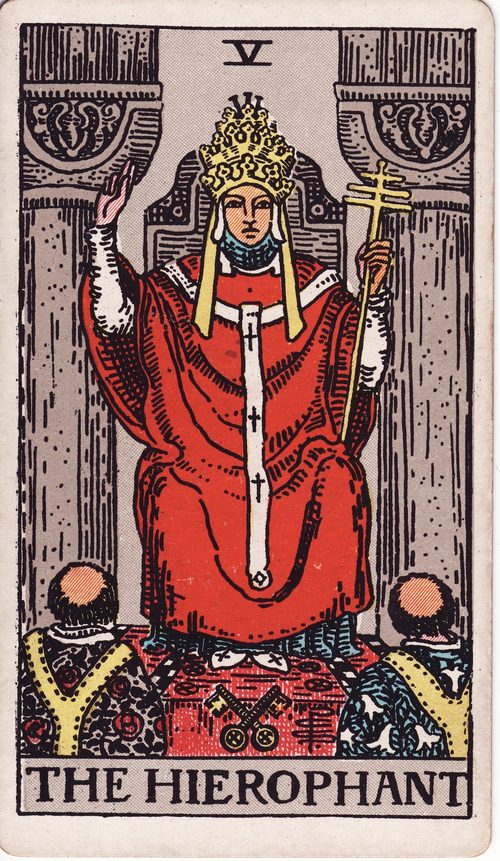
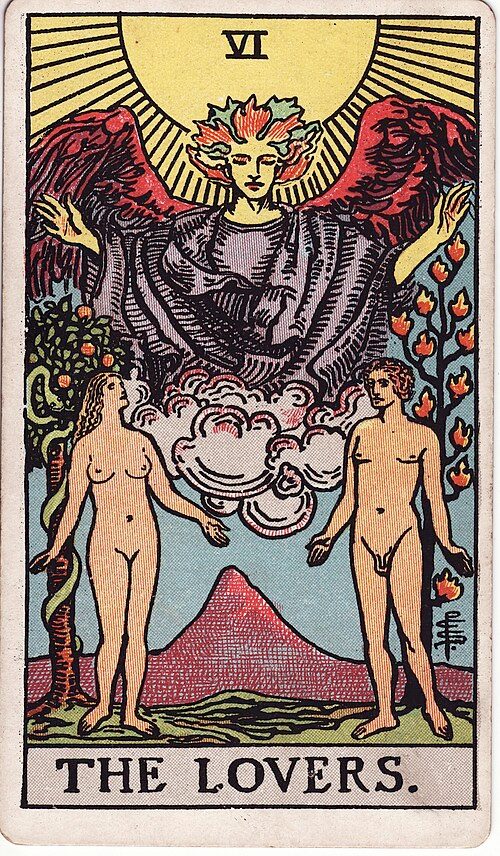
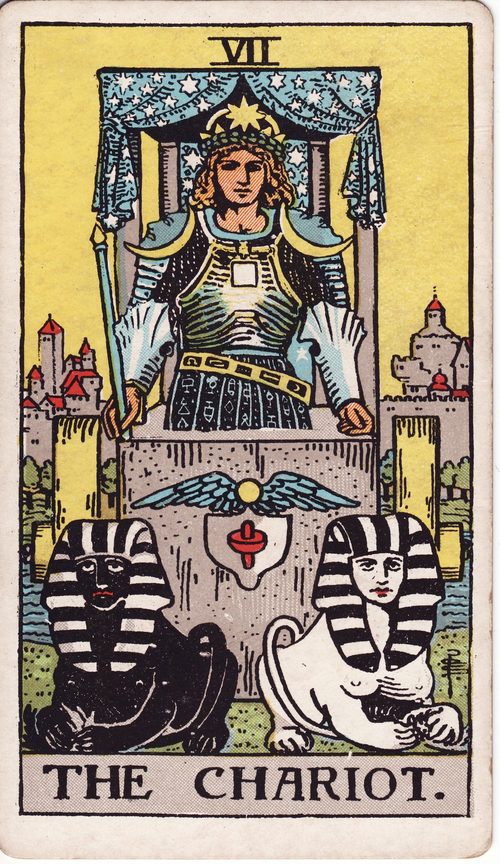
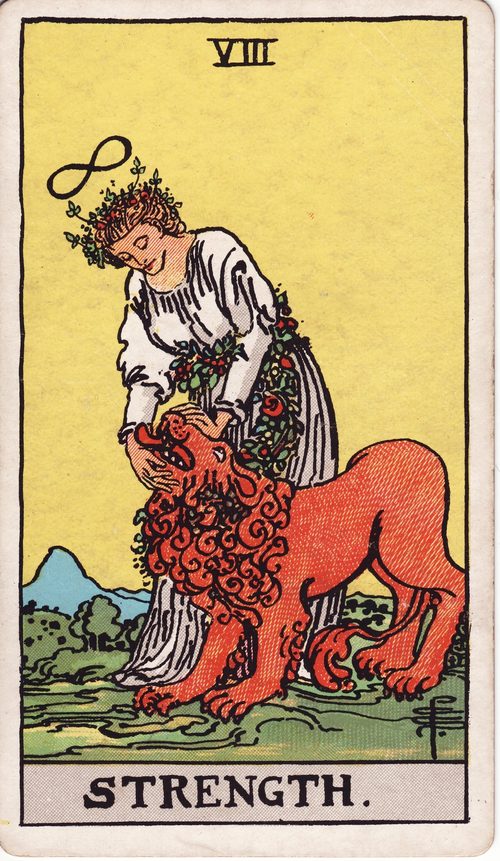
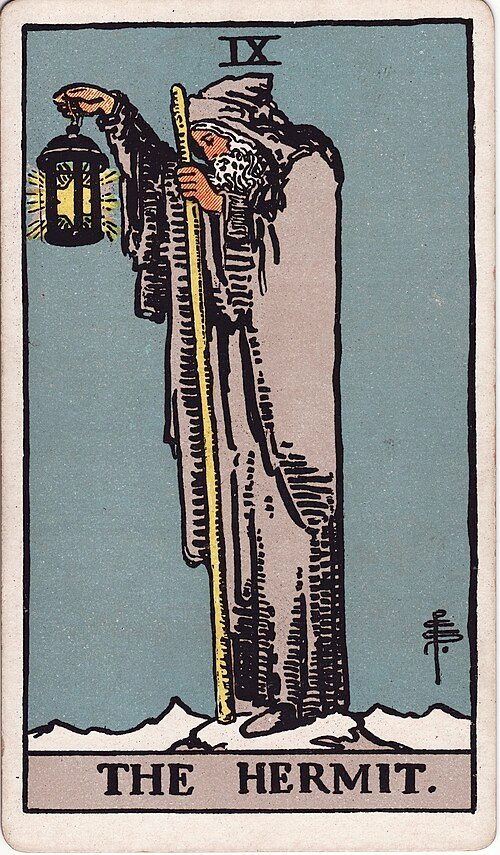
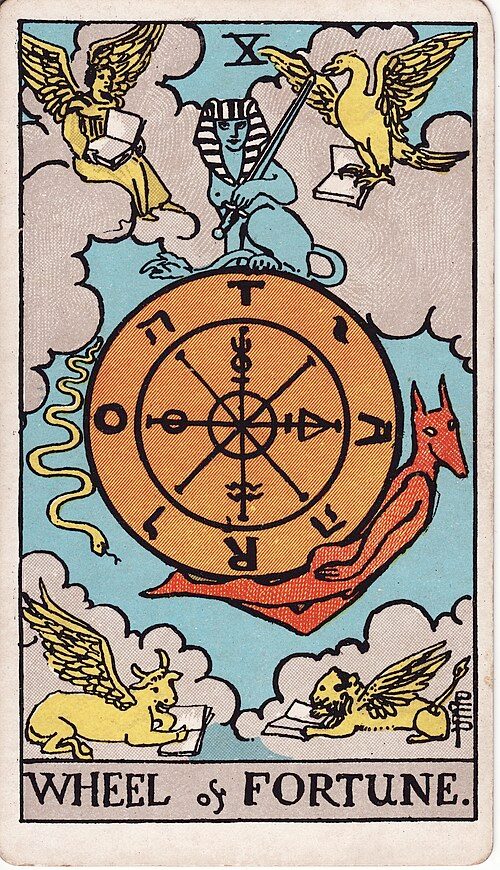
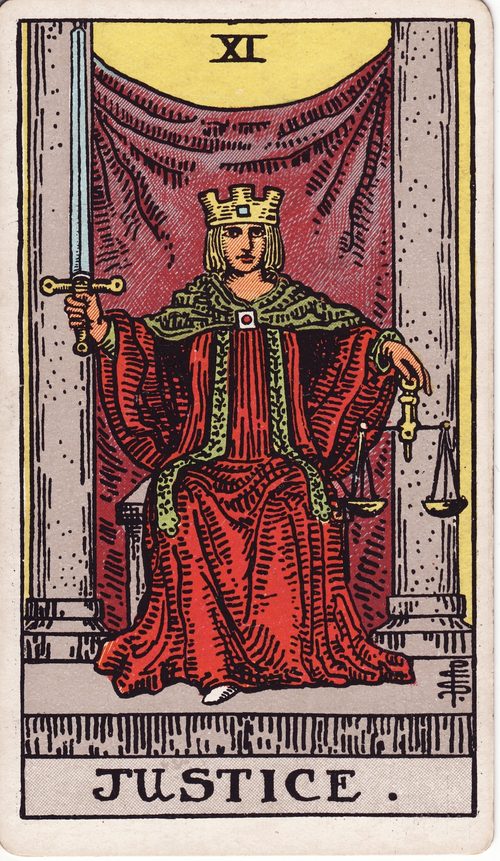
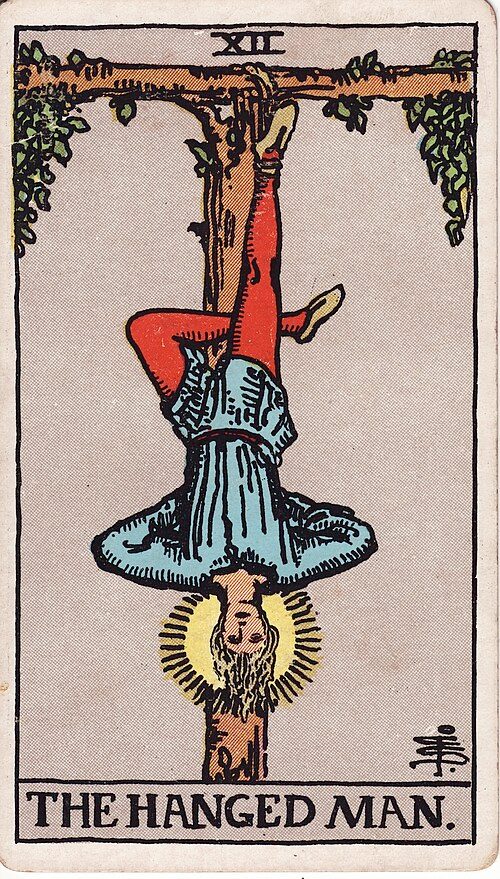
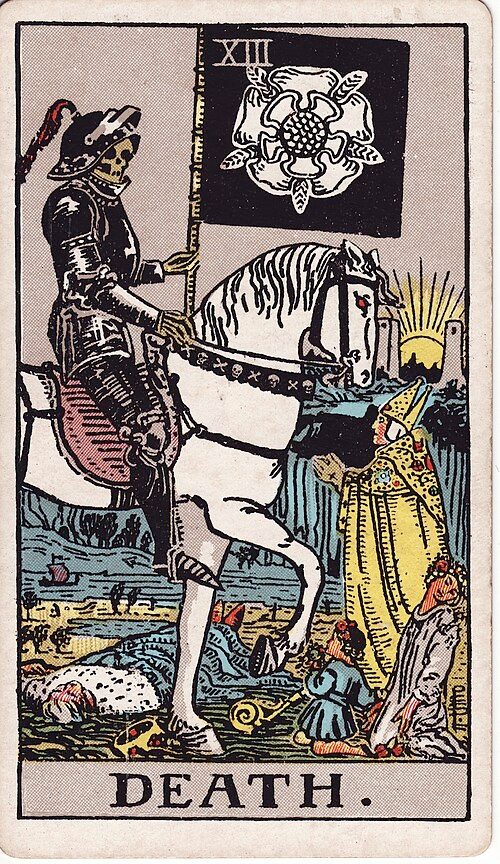
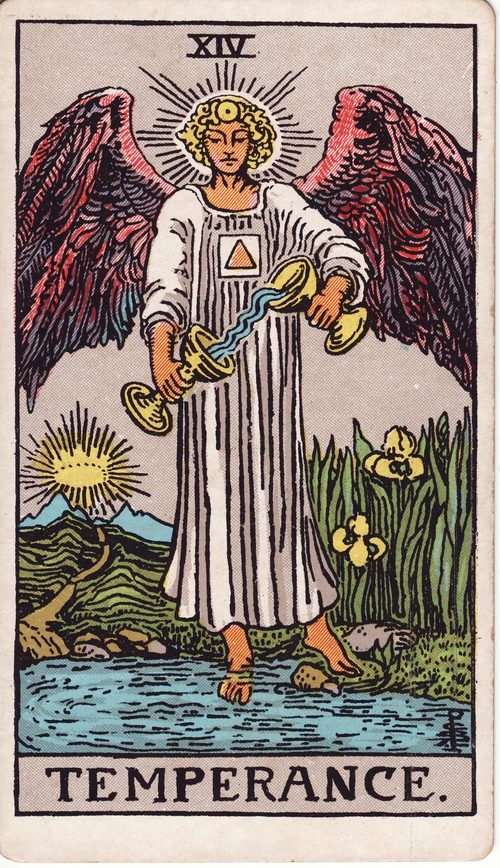
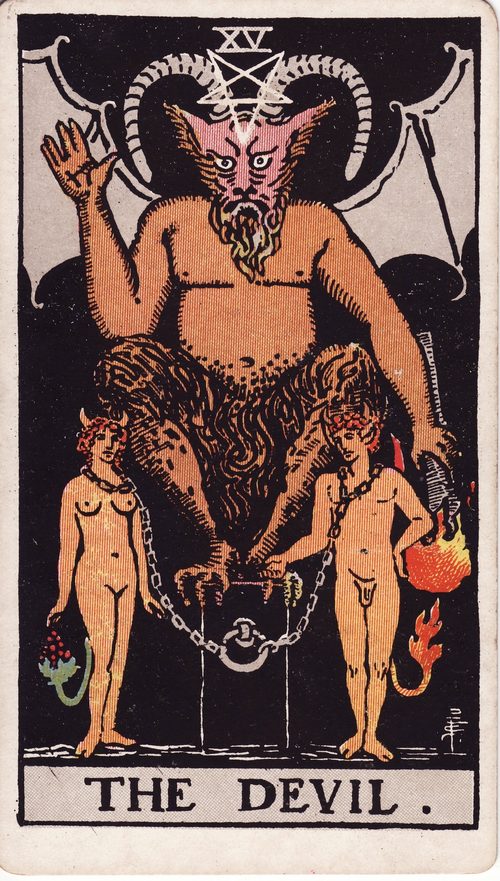
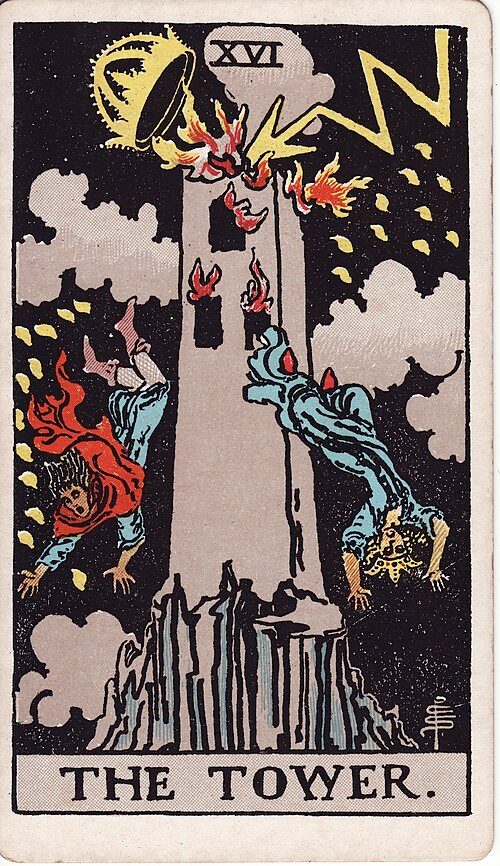
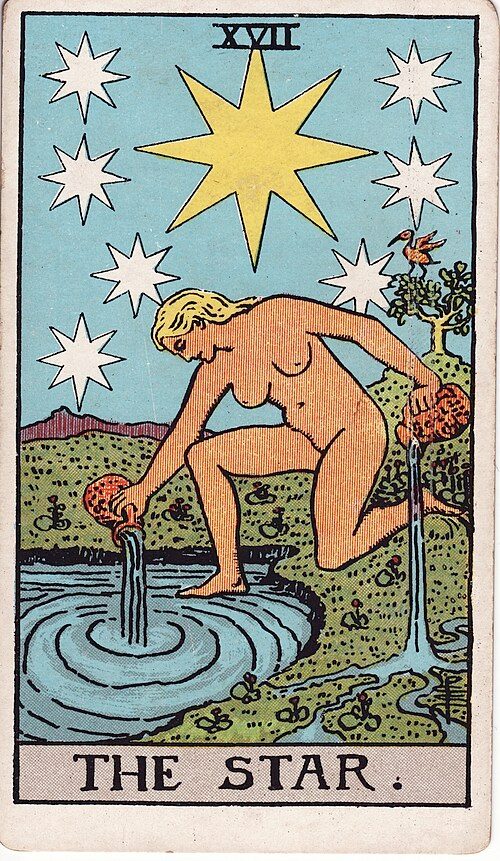
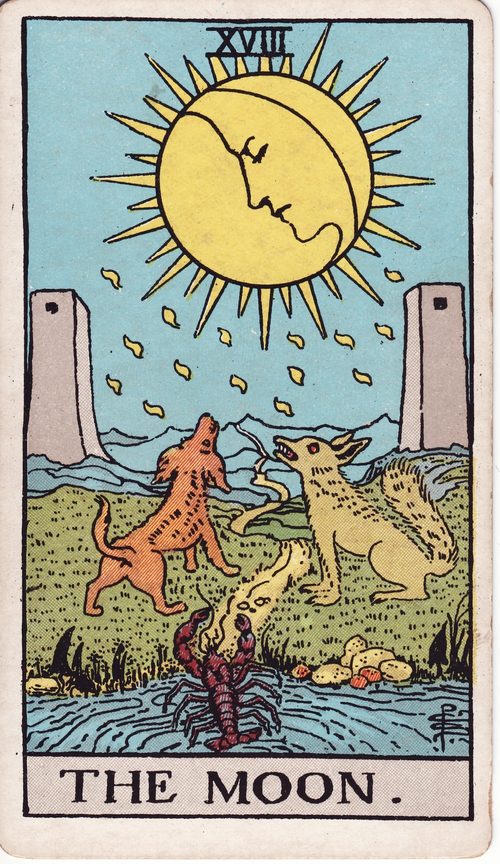
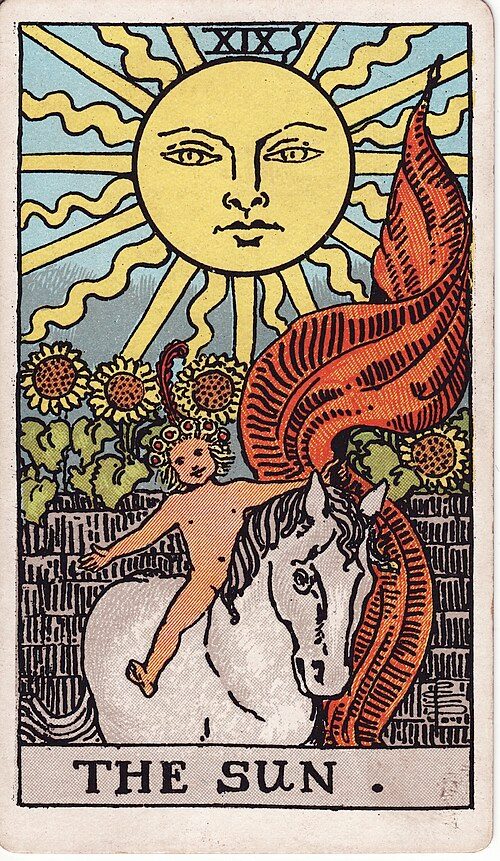
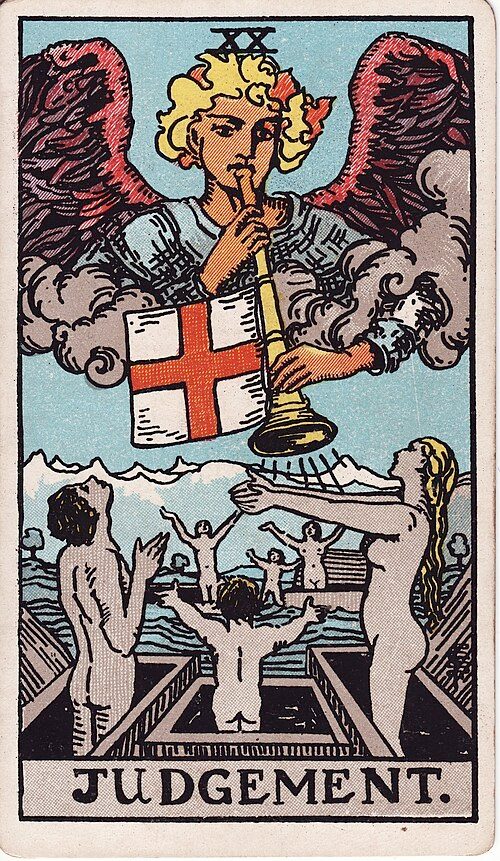
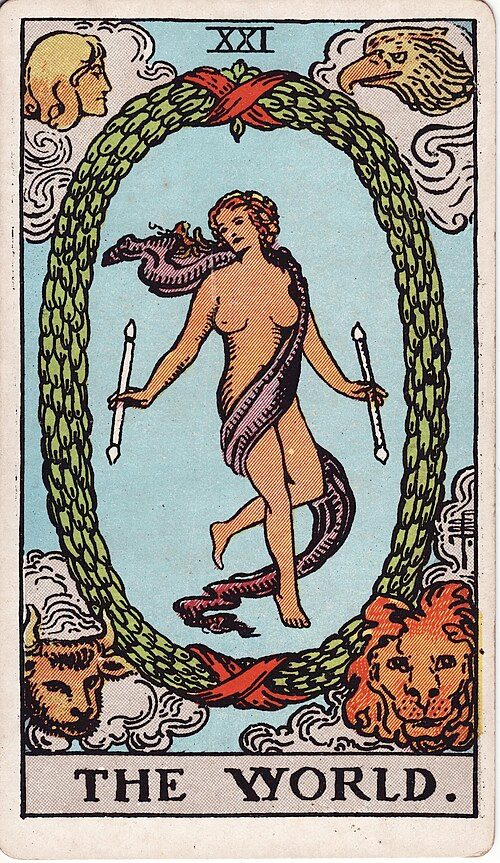
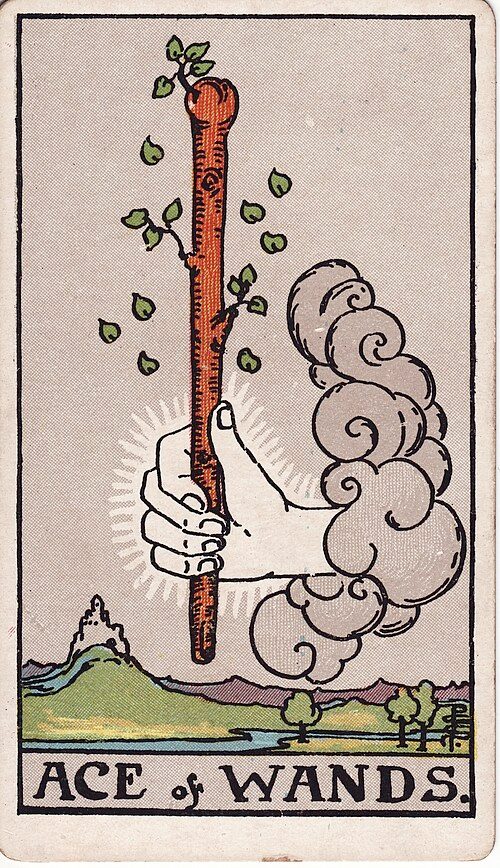
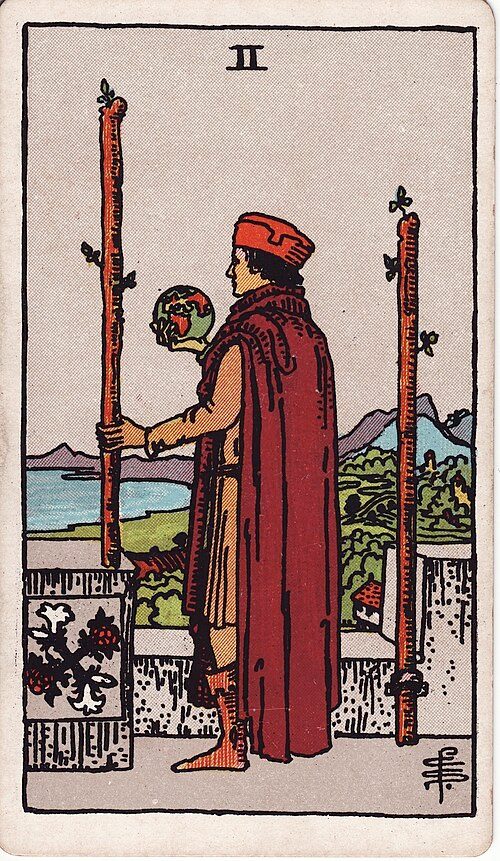
Wands
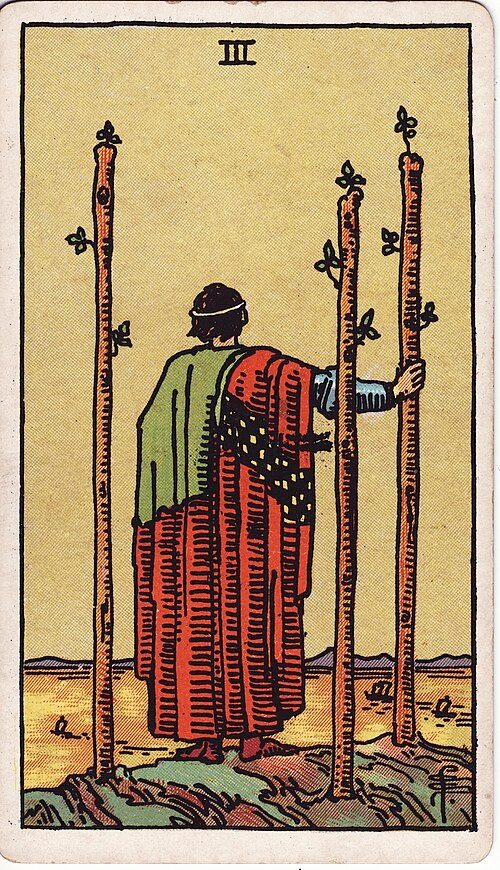
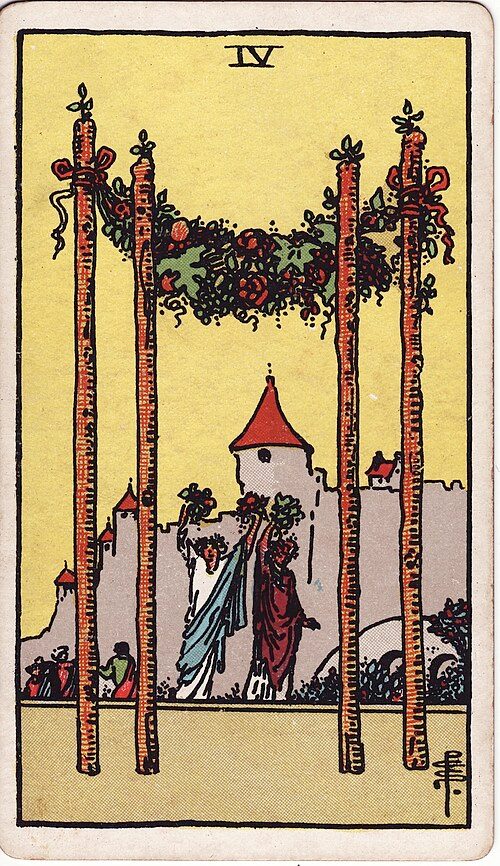
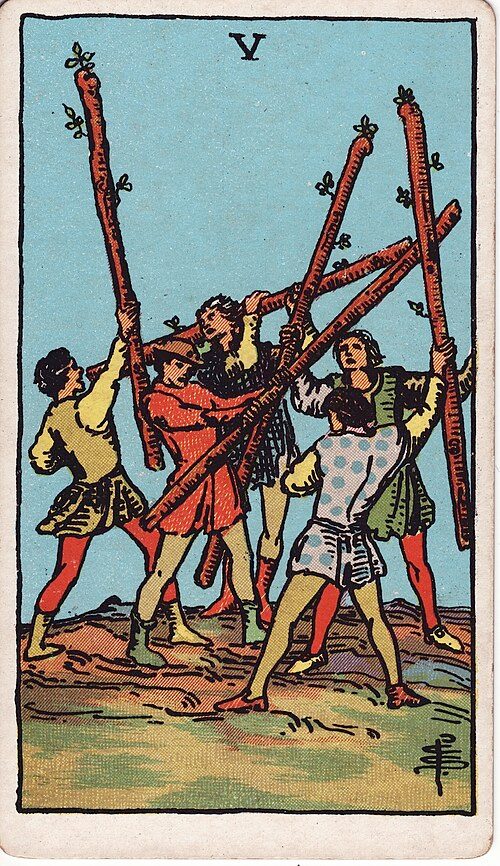
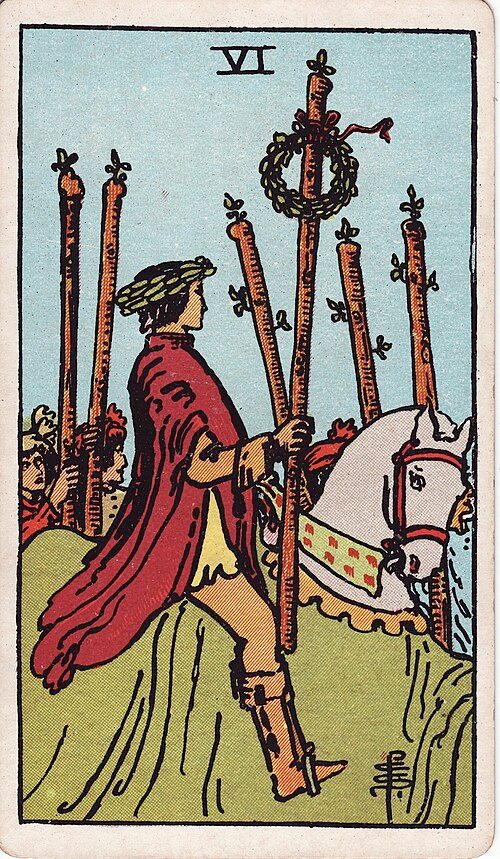
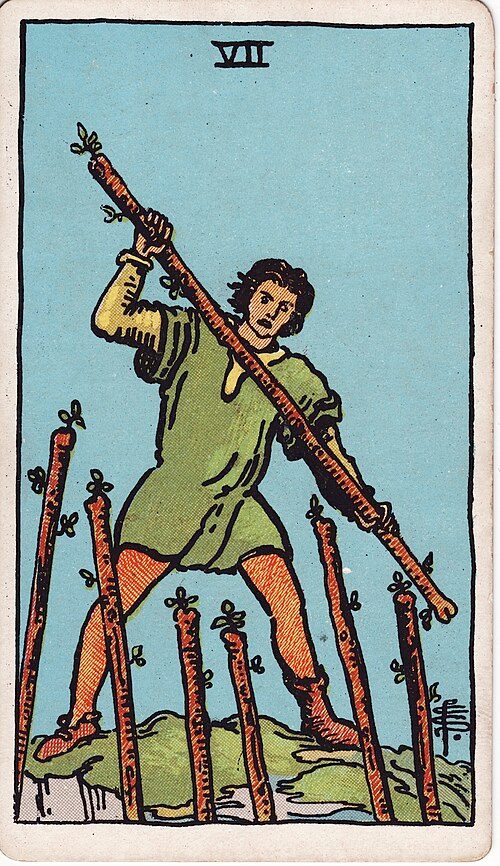
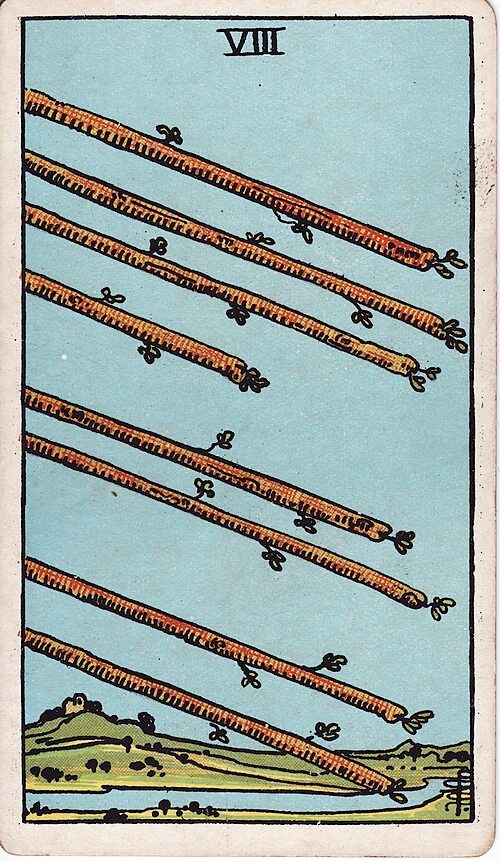
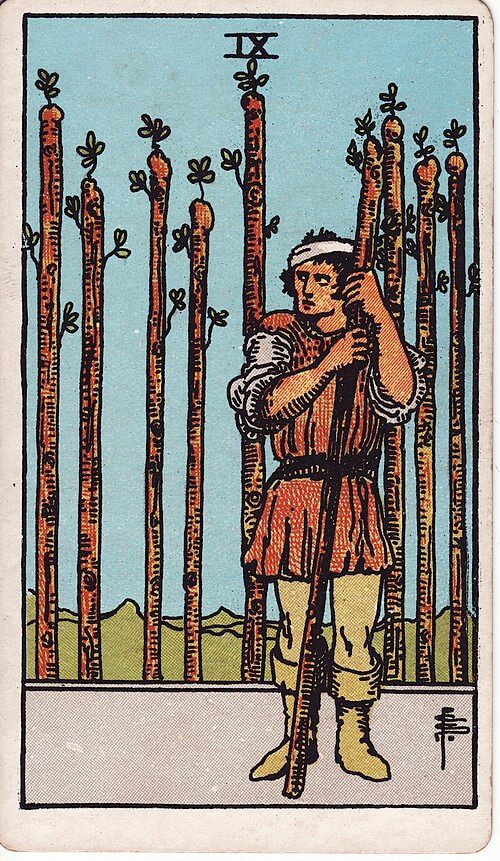
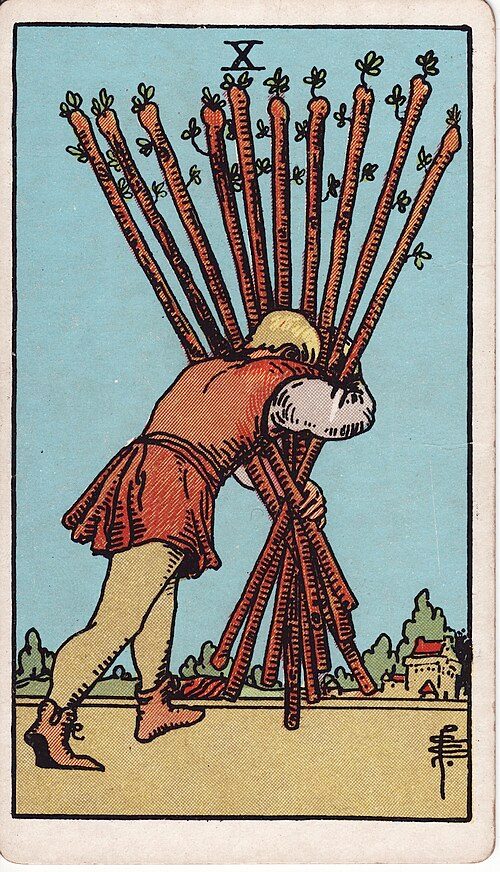
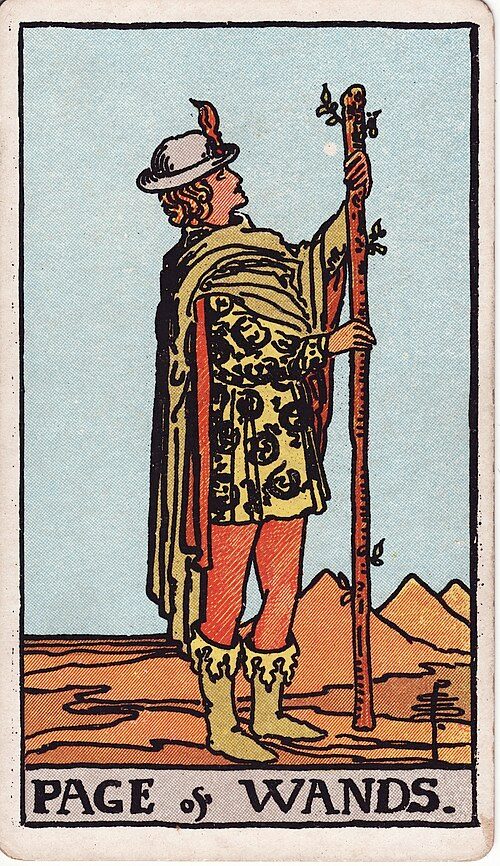
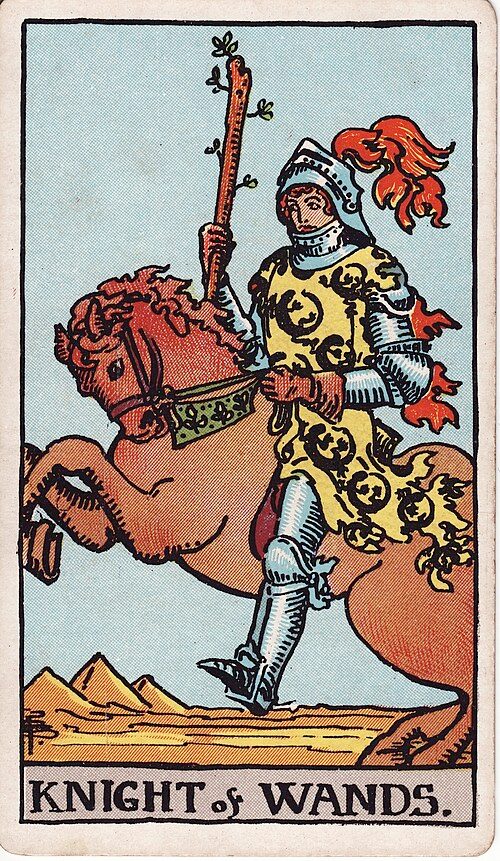
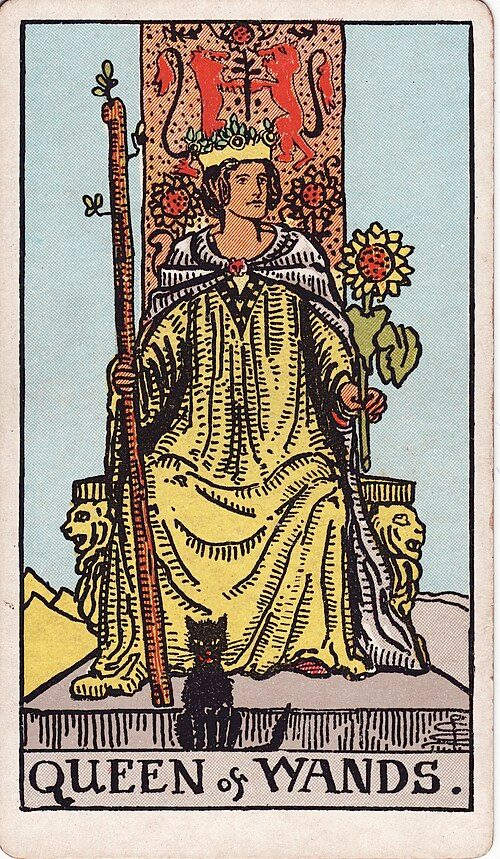
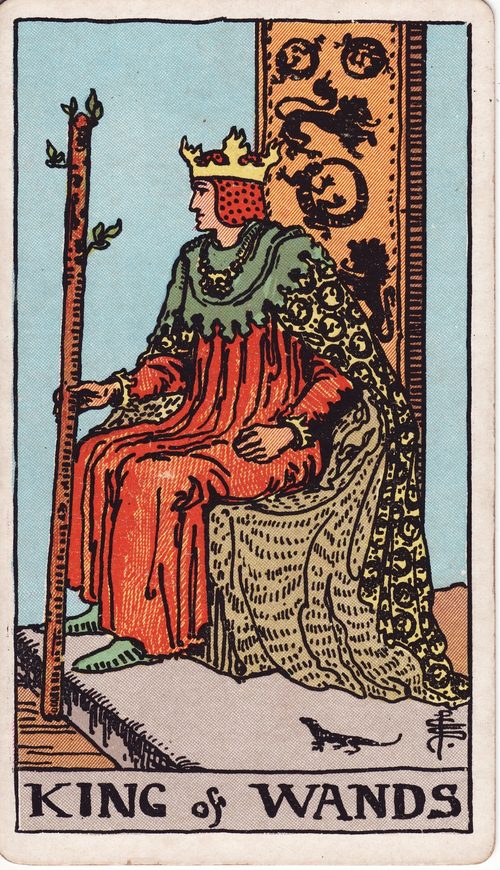
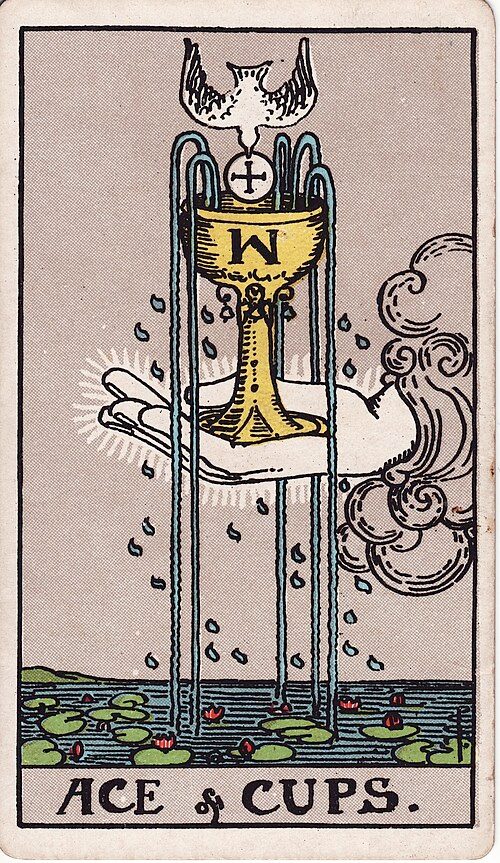
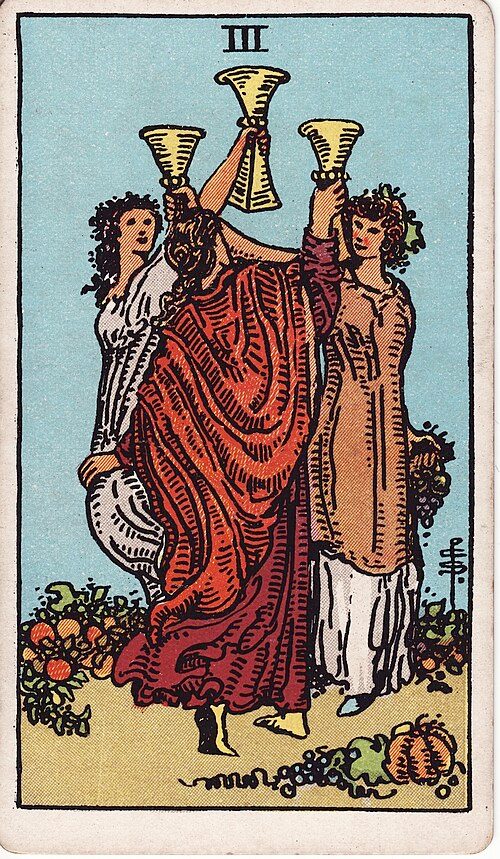
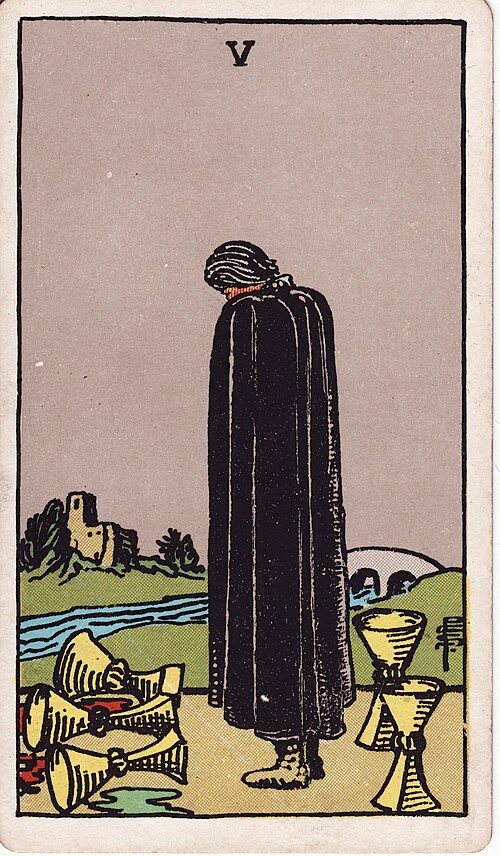
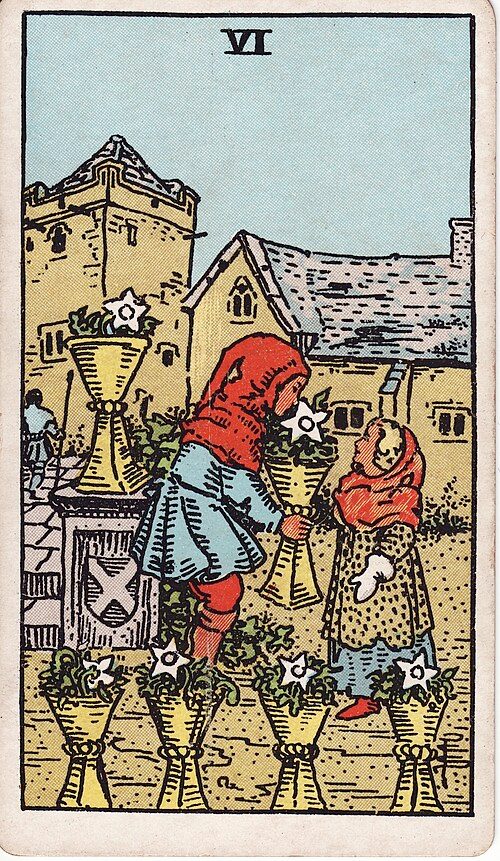
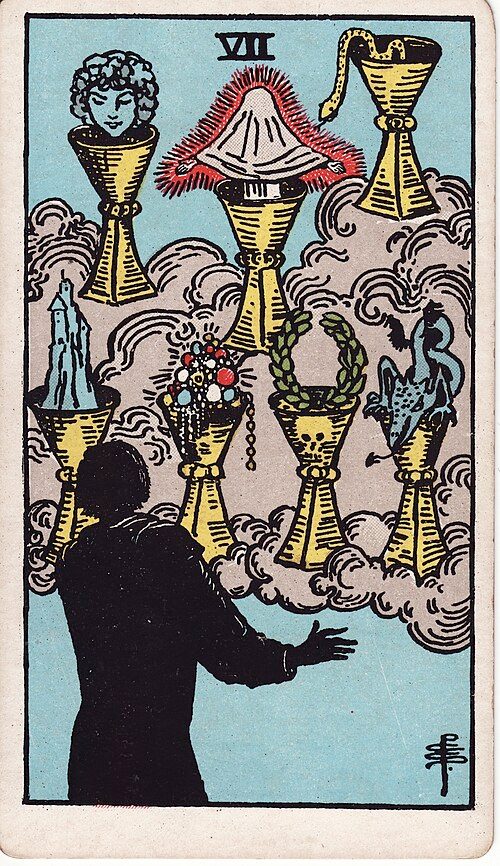
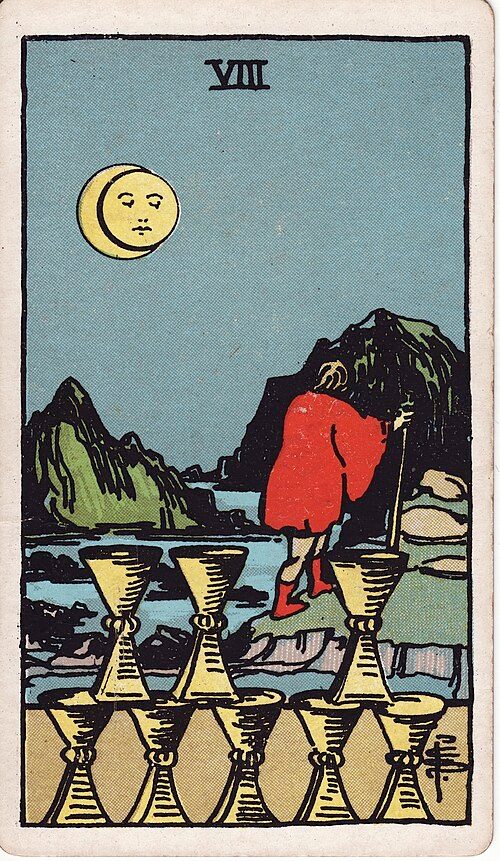
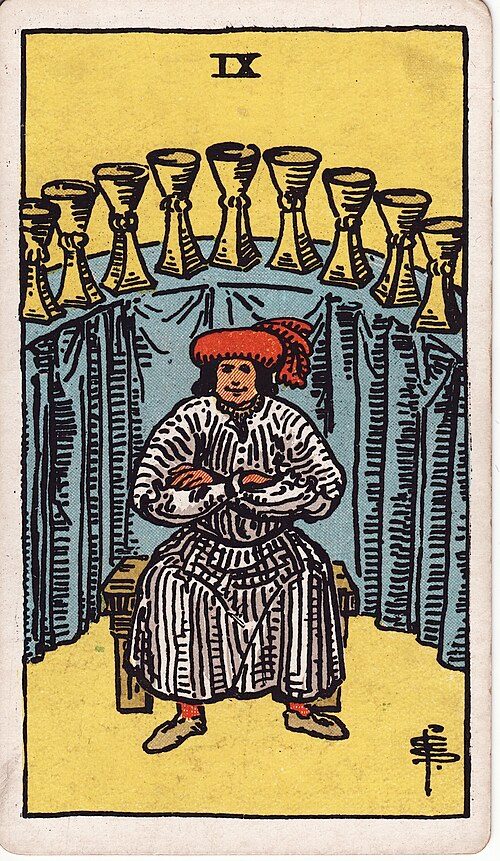
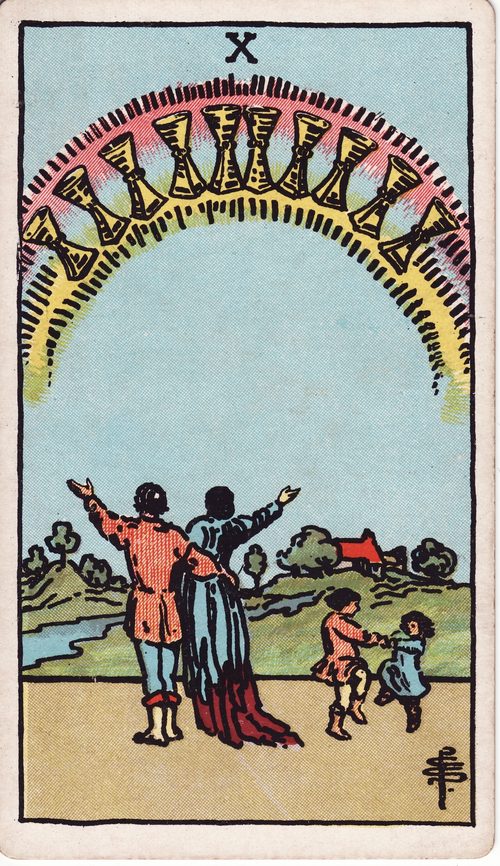
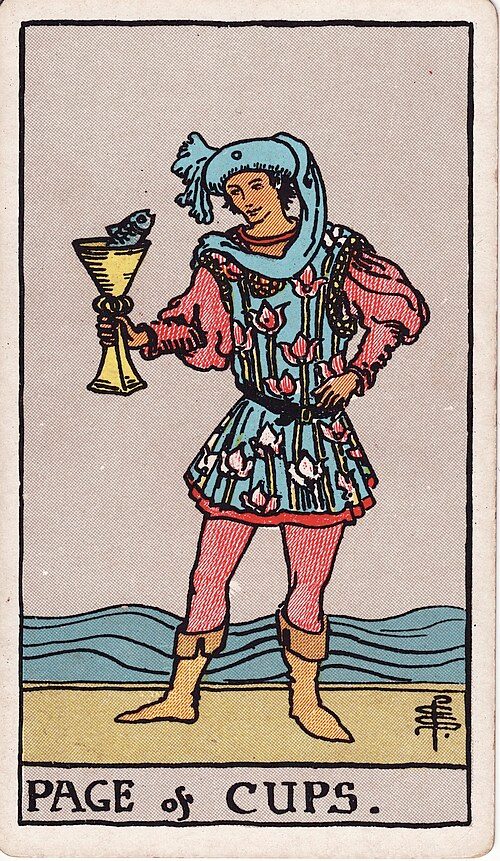
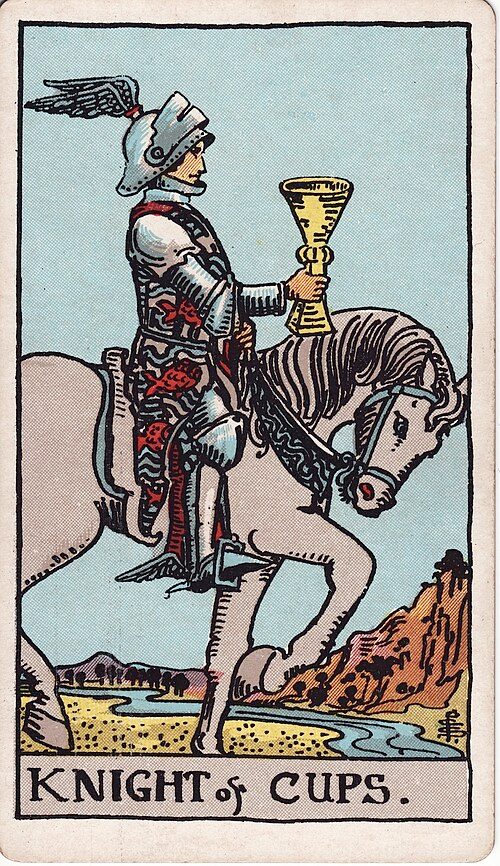
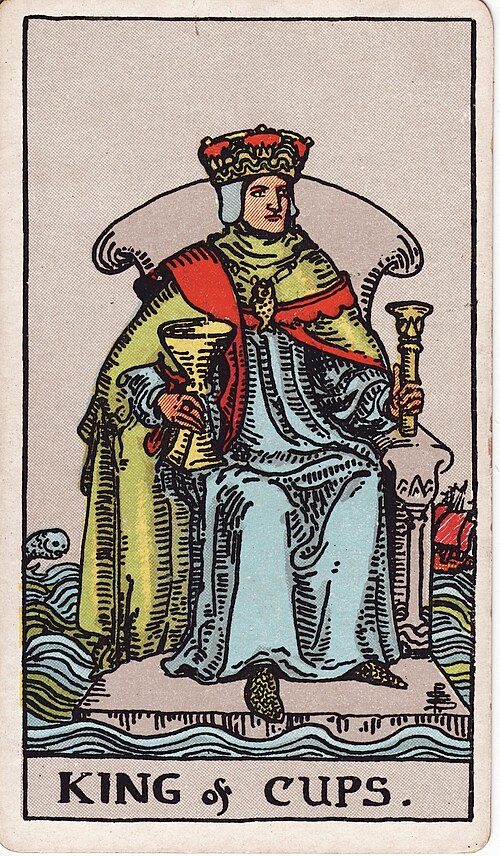
Cups
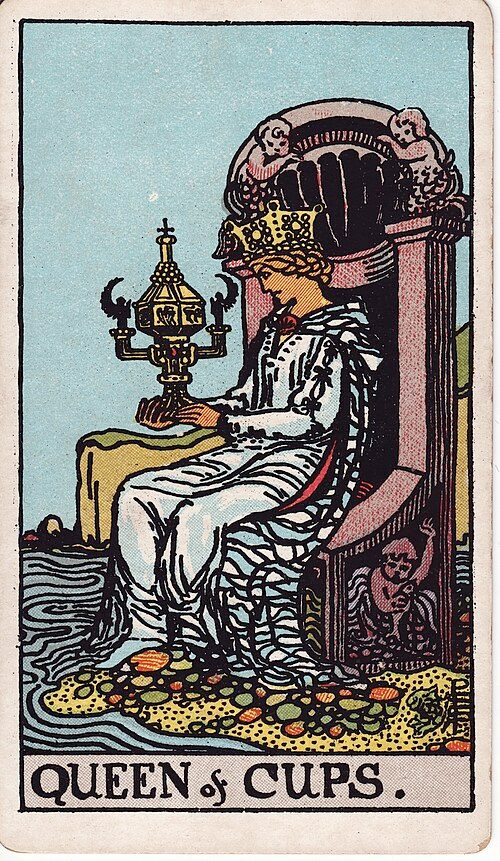
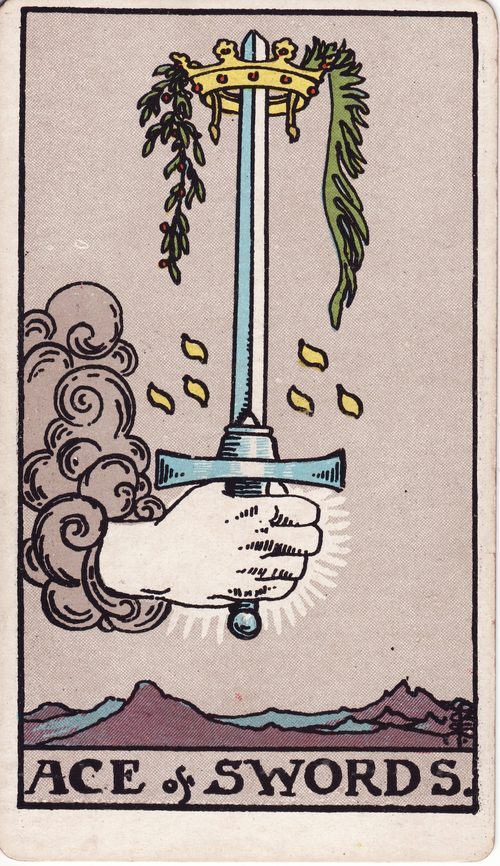
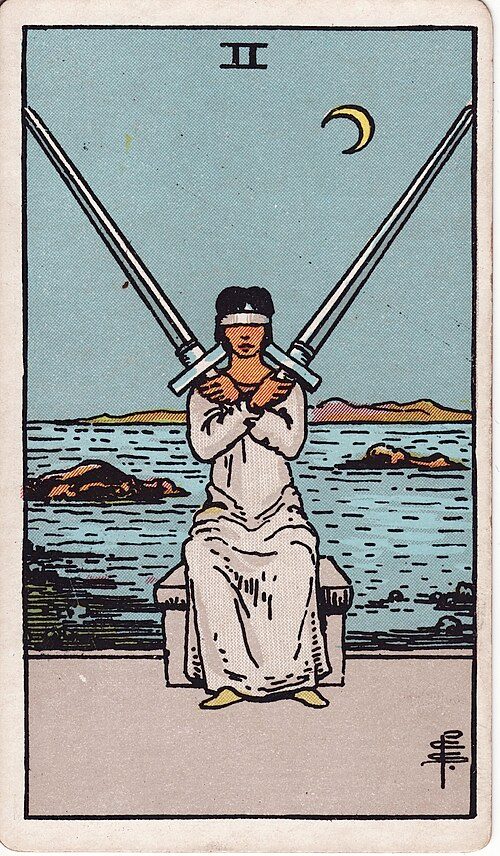
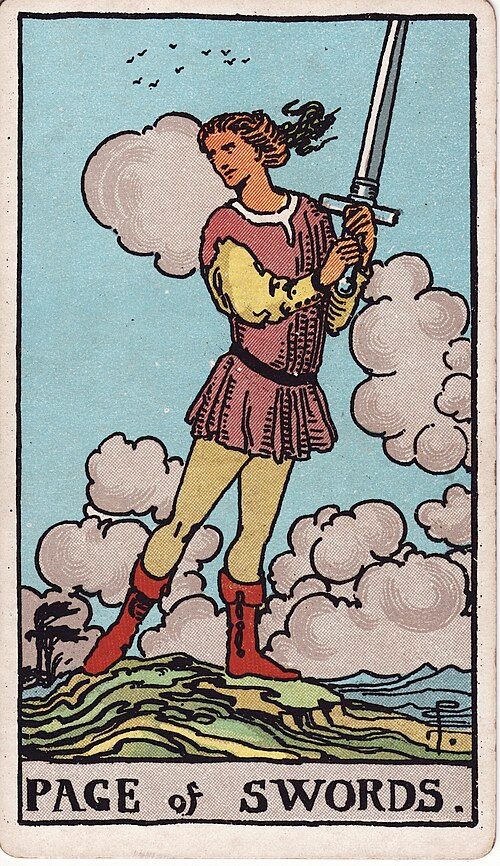
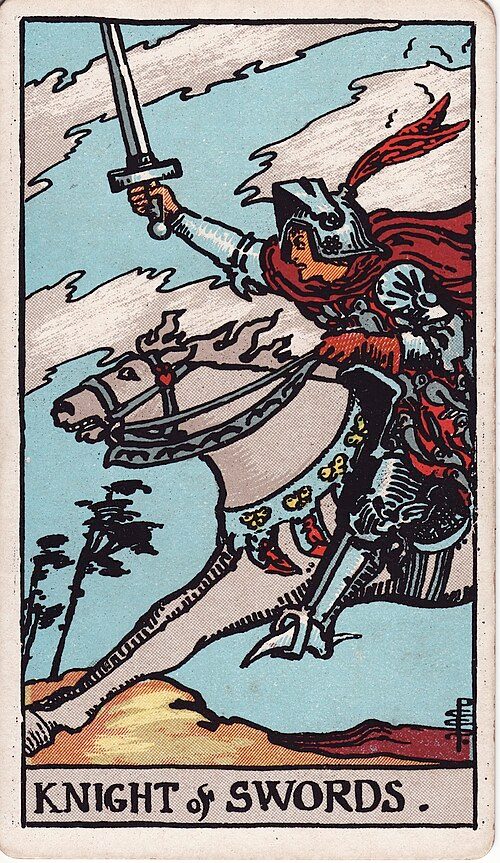
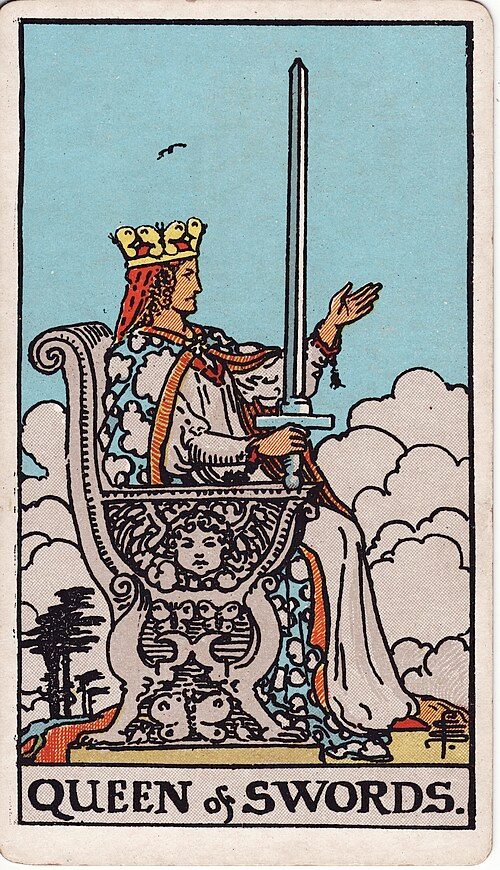
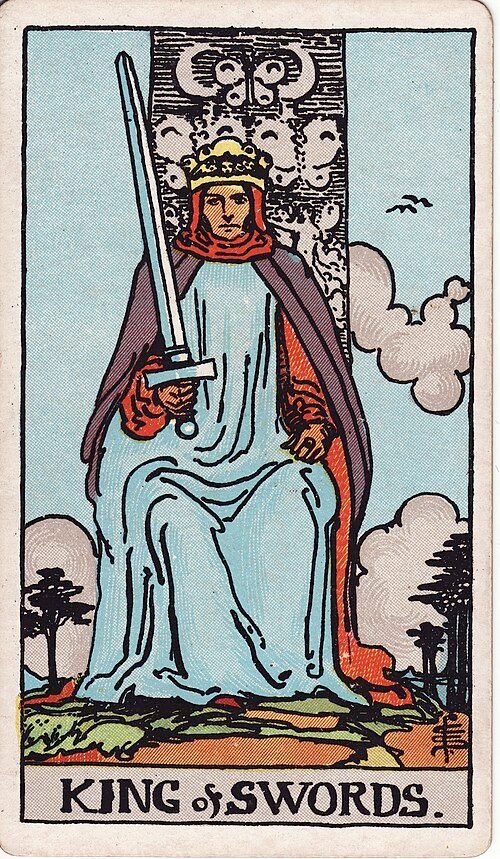
Swords
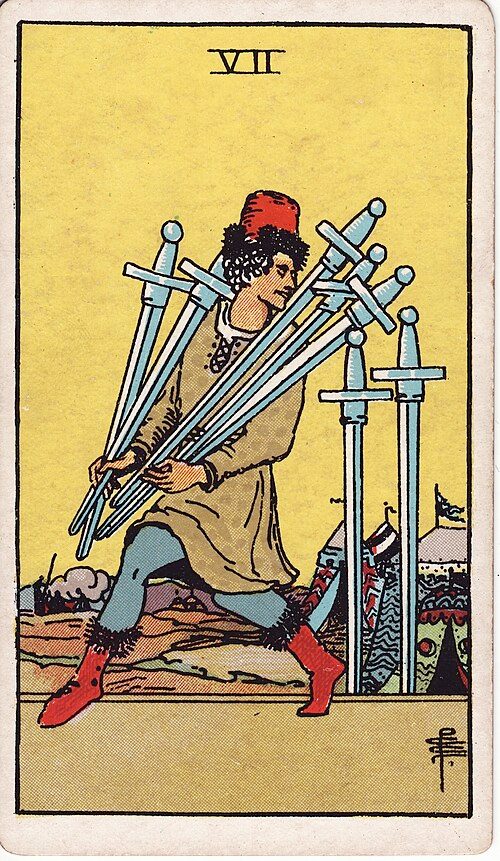
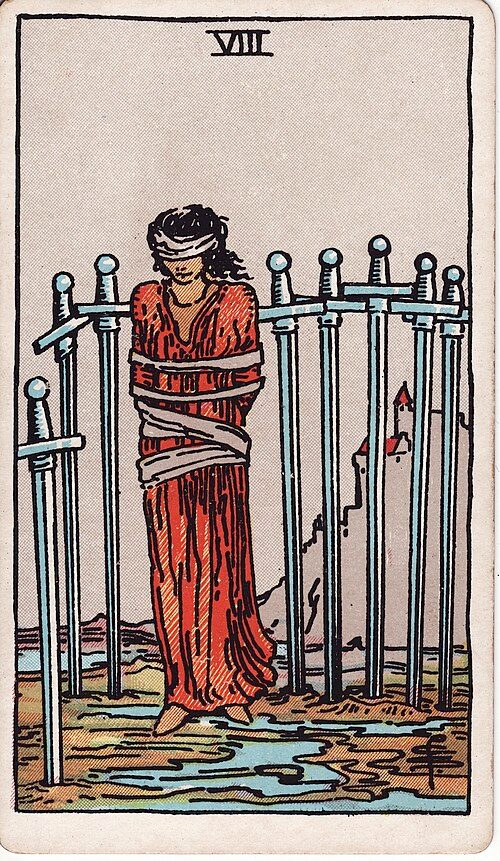
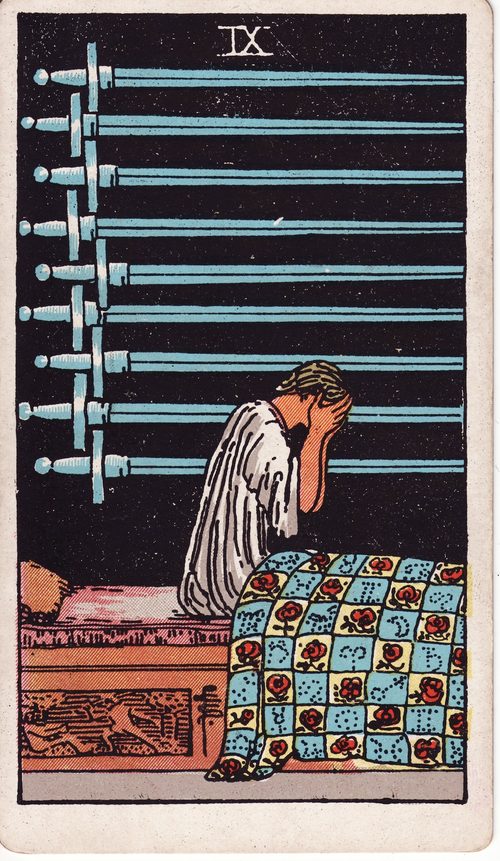
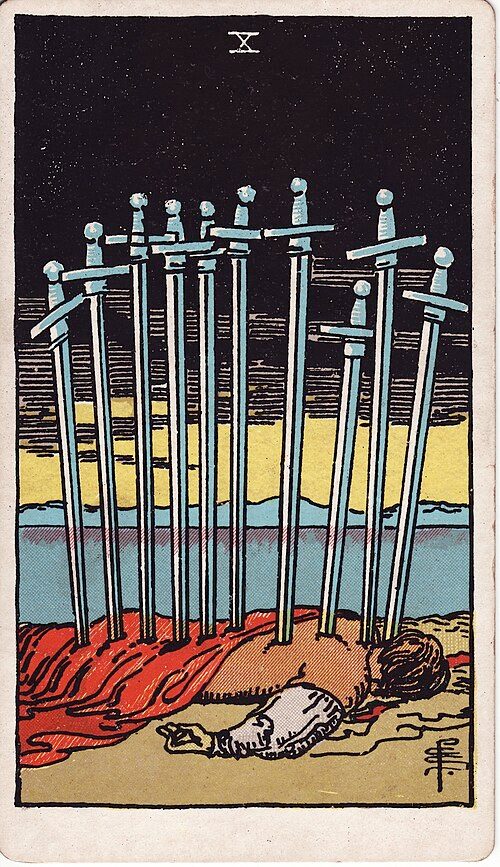
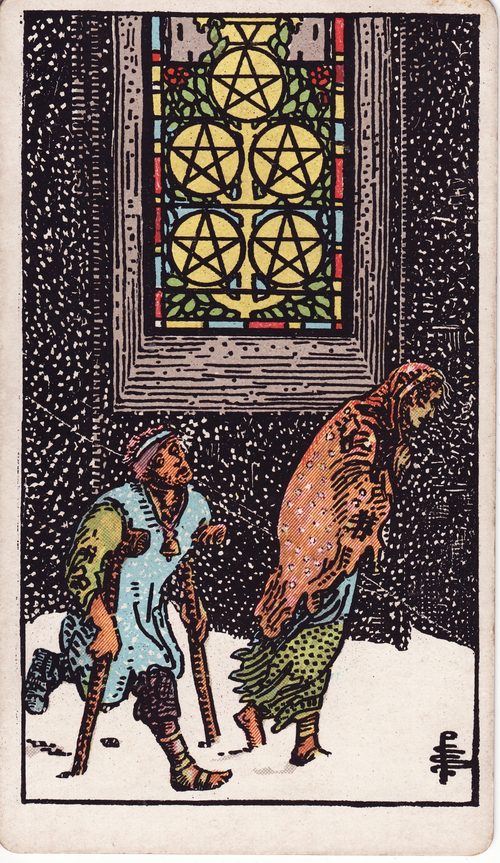
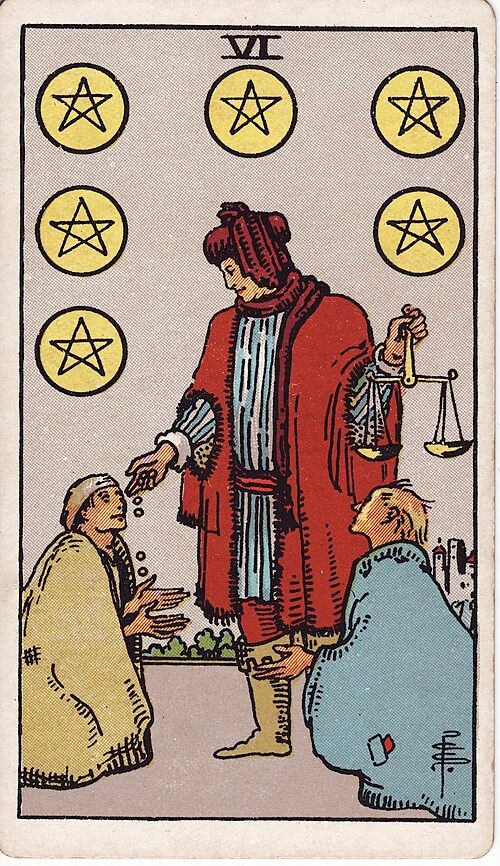
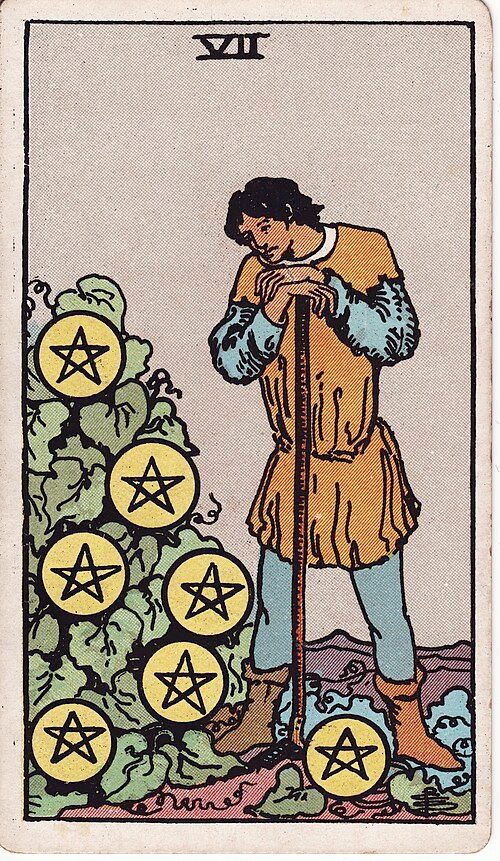
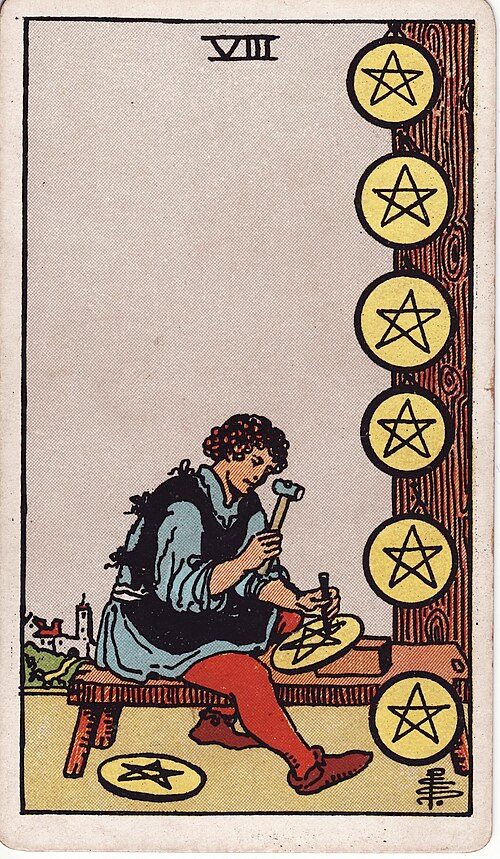
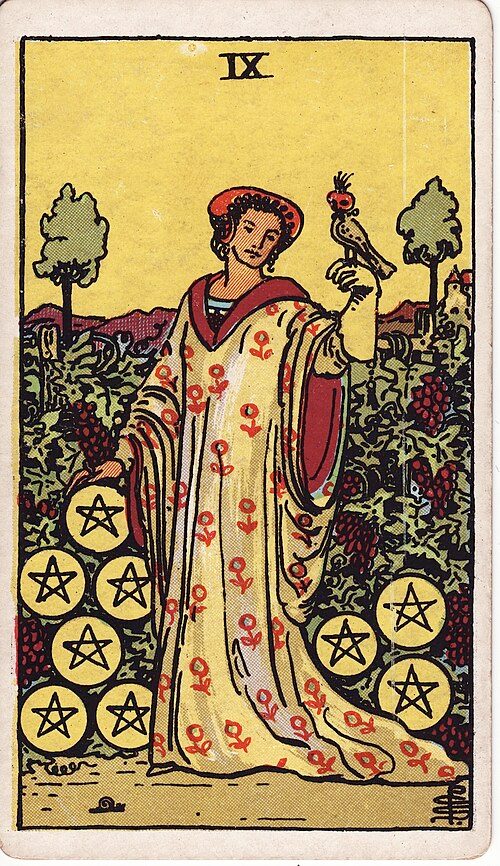
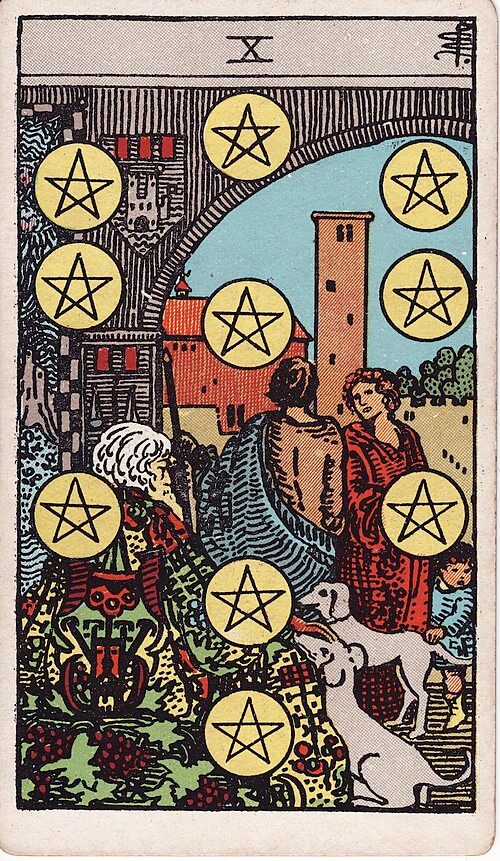
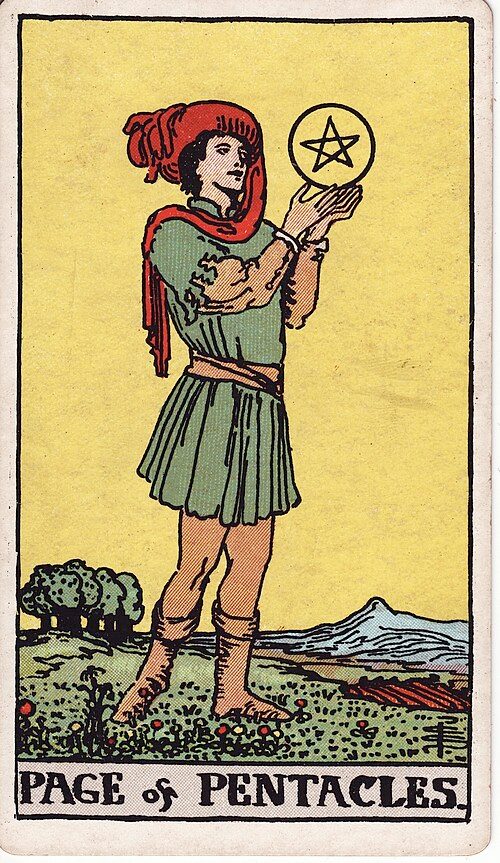
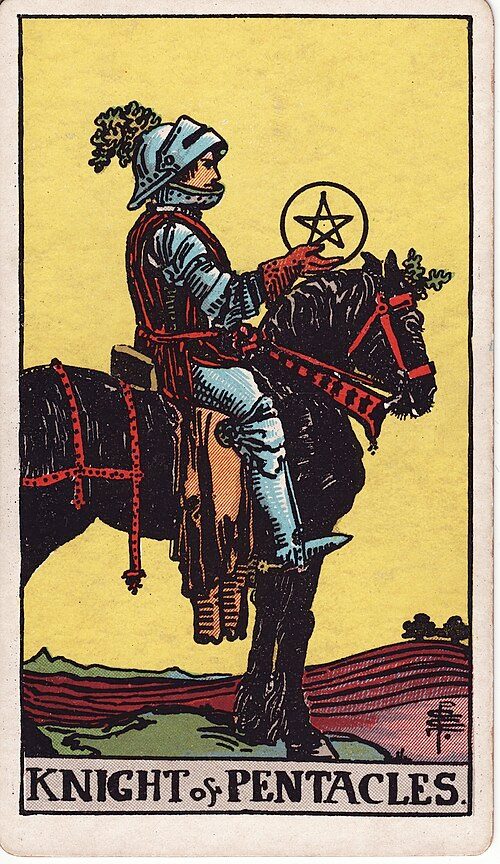
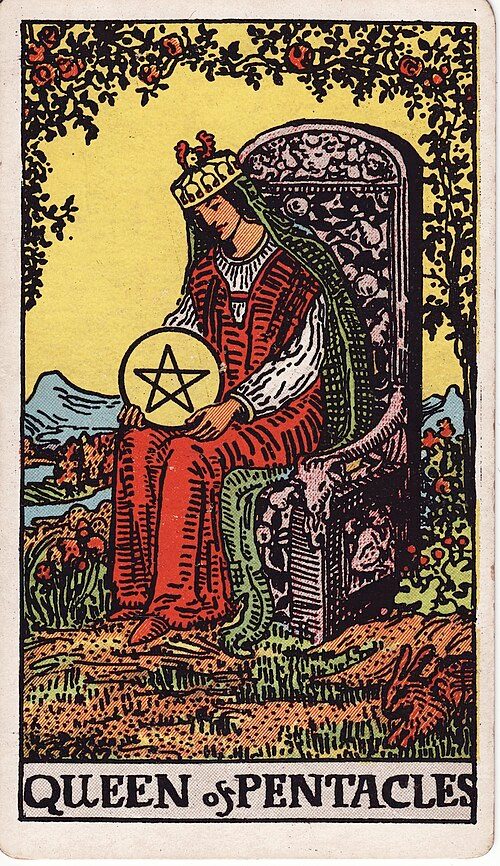
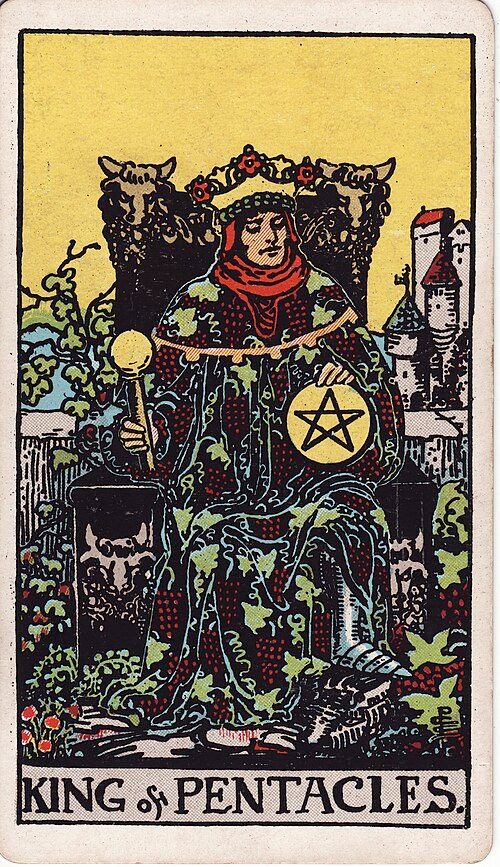
Pentacles
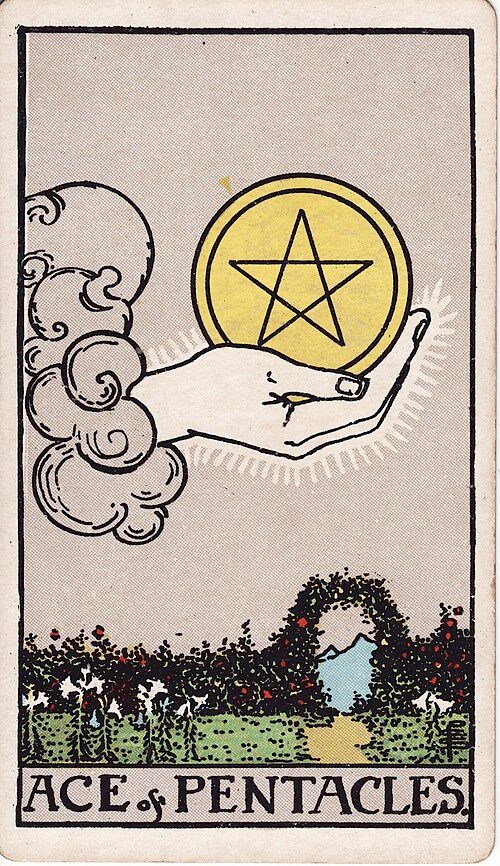
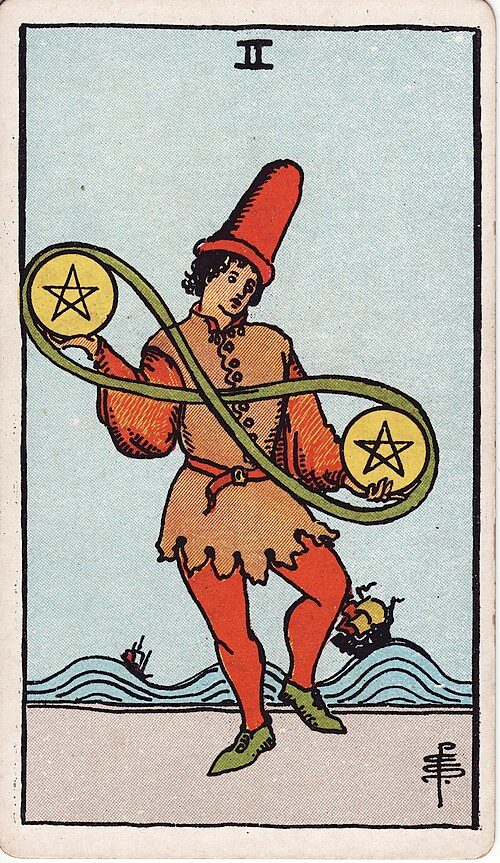
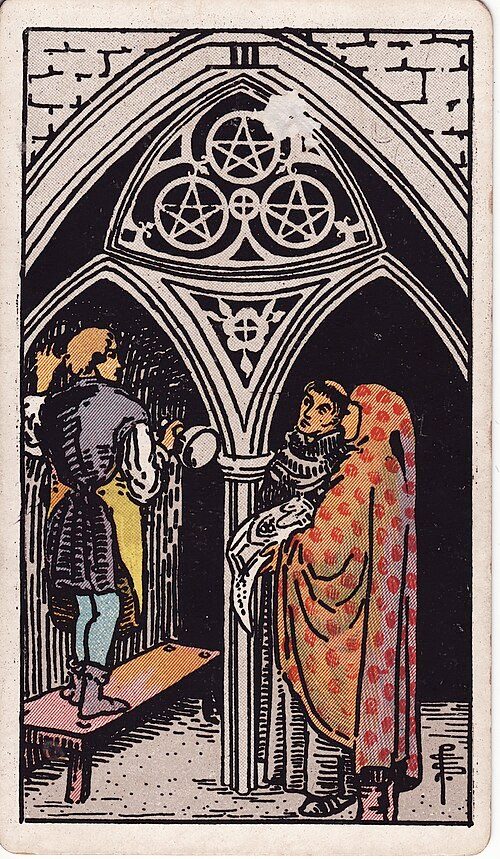
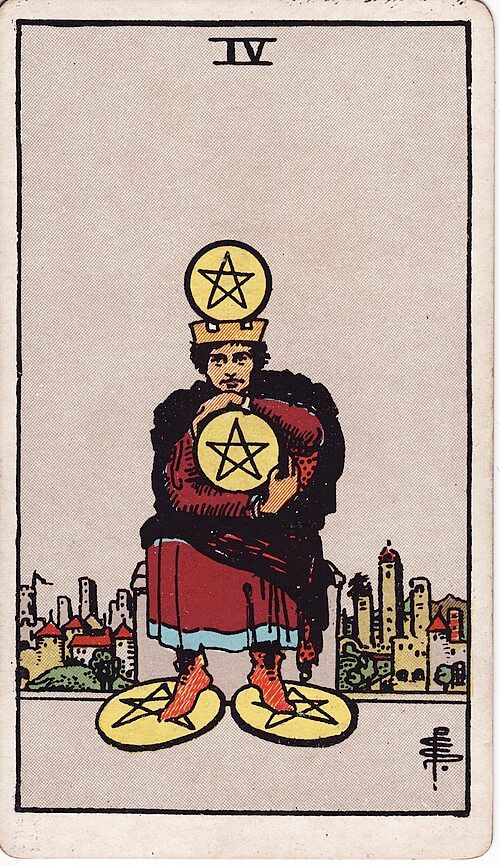
How to read a card
Upright and reversed
A card drawn upright speaks plainly. Reversed, it does not become its opposite — it turns inward, or points at the place the same energy has stalled, been overdone, or gone unspoken. The Sun reversed is not disaster; it is warmth you are not letting reach you. Read the reversal as a note on direction, not a verdict.
A card as a person
Any card can describe someone — their temperament rather than their appearance. The court cards do it most literally, but the Major Arcana describe people too: The Hermit is someone gone quiet, The Empress someone who feeds you. When a card comes up for a person, read the character, not the fate.
A card as feelings
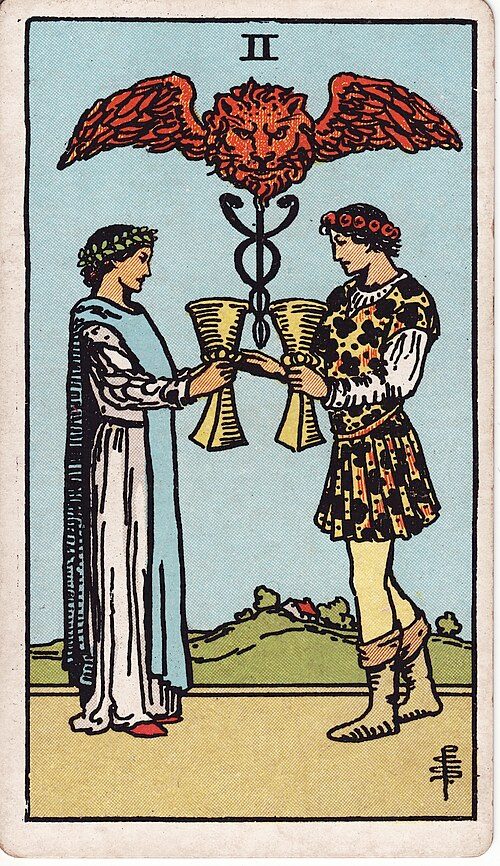
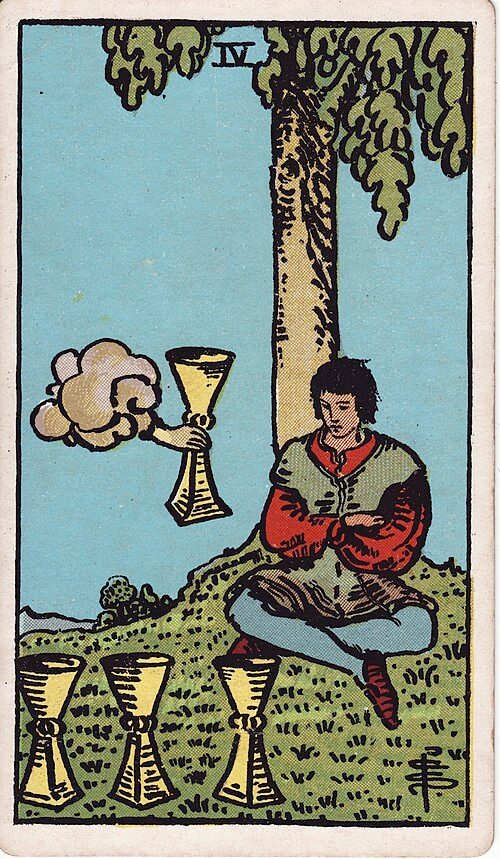
Asked what someone feels, a card answers about the weather of the feeling rather than its label. The Two of Cups is mutual. The Moon is unclear, possibly to them as well. The Four of Cups is interest that has gone flat. A hard card here is information, not a sentence — it tells you the shape of the thing so you can stop guessing at it.
Yes or no
A yes-or-no pull works best on a question you have actually phrased. Broadly, the bright and forward-moving cards read yes; the cards of ending, restriction, and delay read no; and the cards of suspension read not yet. Every card page here gives its own verdict with the one line of qualification that makes it usable — because “no” and “no, not in this form” are different answers.